
My sister entrusted me with watching my niece during her business trip.
For more sotries
I used to believe life followed rules if you respected them. Show up. Work hard. Do right by people. I built my world on predictability—balanced budgets, tidy calendars, routines that left little room for surprise. I’m Megan. I’m thirty-four. I’m an accountant, a wife, and the mother of a six-year-old girl named Lily. For years, our life felt steady and secure.
That sense of certainty unraveled the day my sister asked me to take care of her daughter.
Nicole has always seemed untouchable—driven, successful, and composed. Her career soared, her home looked like it belonged in a magazine, and from the outside, her family appeared flawless. When she called me, frantic over a work trip and a last-minute childcare problem, I agreed without hesitation. Helping felt natural. Necessary. I didn’t realize that decision would change all of us.
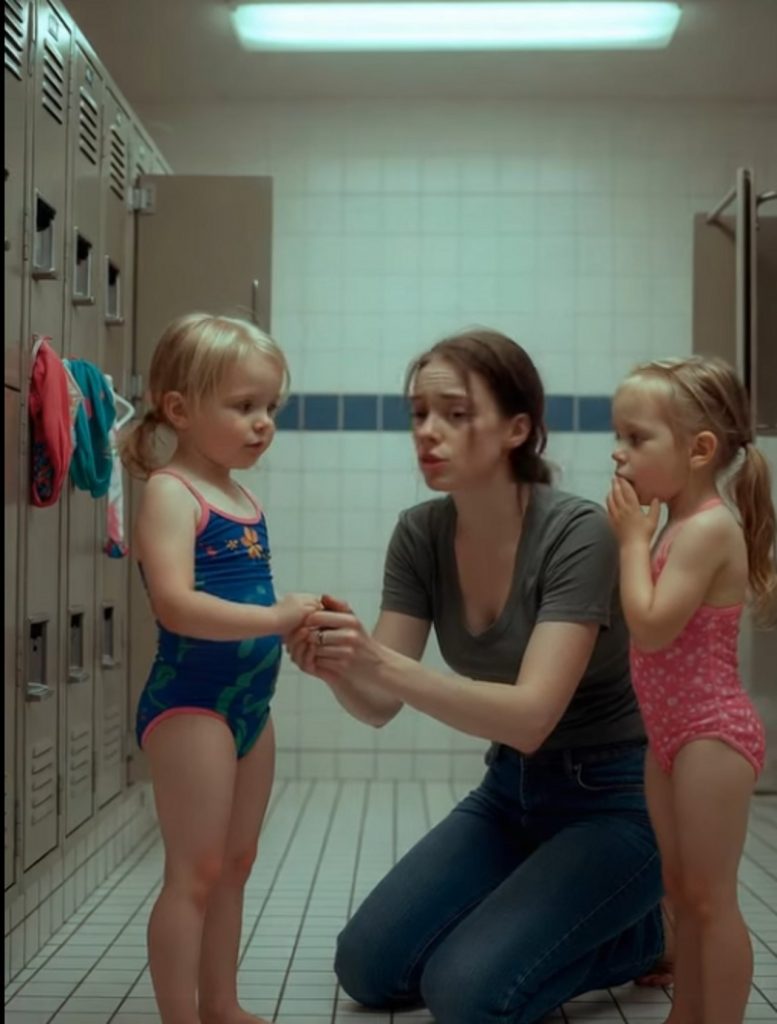
When I arrived to pick up Sophie, who was four at the time, something felt off immediately. She stood quietly by the door with her small suitcase, her expression blank, her body tense. She didn’t ask where we were going or when she’d see her parents again. Nicole brushed it aside—“She’s just shy lately”—and hurried out the door. I told myself not to overthink it, but the unease stayed with me.
On the drive to my house, Sophie sat perfectly still in the back seat, hands folded, eyes fixed on the window. It wasn’t the calm of a relaxed child—it was restraint. When we pulled into our driveway, Lily ran out, full of excitement. Sophie startled at the sound, shrinking back as if joy itself were unpredictable. That moment erased any lingering doubt. Children don’t flinch without reason.
Over the next day, small things began stacking into something impossible to ignore. Sophie asked permission for everything—standing, sitting, speaking. She ate cautiously, watched every adult reaction, and apologized constantly. Sudden movements made her freeze. Ordinary routines unsettled her in ways that felt deeply learned, not temporary. My instincts, sharpened by motherhood, kept sounding alarms.
The confirmation came quietly, through Lily. One night, she told me she’d noticed marks on Sophie that didn’t make sense. Children don’t invent those observations. I felt the ground shift beneath me. Whatever was happening, it was serious—and it was ongoing.
I didn’t sleep. I didn’t second-guess myself. I focused on one thing only: keeping Sophie safe.
The following morning, away from distractions and excuses, the truth became undeniable. What I saw made it clear that Sophie had been living with fear for far too long. She broke down, terrified she had done something wrong, terrified that speaking would make things worse. In that moment, I promised her—out loud—that she was safe, that none of this was her fault, and that I would not let anyone hurt her again.
From there, everything moved quickly. Doctors, specialists, and authorities stepped in. Proper reports were made. Systems designed to protect children were finally activated. I stayed by Sophie’s side, holding her hand as strangers worked to keep her safe, wishing with everything in me that someone had noticed sooner.
The truth unfolded piece by piece. The harm had come from someone trusted, someone paid to care for her. Worse, someone else had known and chosen silence. That knowledge was devastating—not just because of the abuse itself, but because of the deliberate decision to ignore it.
The fallout was swift and irreversible. Arrests were made. A family fractured. Nicole was forced to confront a reality she never imagined existed inside her own home. Her grief was overwhelming, but she chose to face it. She chose her child.
Recovery did not happen quickly. It came in uneven steps—therapy appointments, sleepless nights, small breakthroughs. Sophie slowly learned that laughter didn’t come with consequences, that love didn’t require fear. Nicole rebuilt her life around protection instead of image. Our homes became places of healing rather than performance.
Justice followed, imperfect but necessary. Accountability mattered. Consequences mattered. Silence no longer had a place.
Today, Sophie is a different child. Not untouched by what happened—but no longer defined by it. She plays freely, laughs loudly, and trusts carefully but genuinely. Lily is her constant companion. Together, they’ve grown into something closer to sisters than cousins.
This isn’t a story about shock value or scandal. It’s about awareness. About paying attention when something feels wrong. About how harm can exist behind polished appearances and professional success. It’s about believing children when their behavior tells a story adults would rather ignore.
Family isn’t just shared DNA. It’s action. It’s protection. It’s choosing discomfort over denial. Sometimes saving a child doesn’t look dramatic. Sometimes it looks like listening closely, asking hard questions, and refusing to stay silent.
And sometimes, it starts with saying yes to what seems like a simple favor—without knowing it will become the most important decision you ever make.
Welcome back to our website! We’re thrilled to have you here again.Since your last visit, we’ve made
exciting updates and additions.Discover new content, features, and products tailored to your interests.
Our team has worked tirelessly to enhance your user experience.Take a fresh look around and explore the
changes.We’re committed to continuously improving and providing value to our valued visitors like you.
Thank you for your continued support. We look forward to serving you again and making your visit an
enriching experience.


